

1 nurses passed these notes on
Invite Partnership for Patient Safety
Ydette MacaraegPart-time Marketing Coordinator · The Family DoctorWhen tension rises around isolation rules, the secret is shifting the conversation from restriction to partnership. Instead of listing rules, I tell families: "We want to make sure you can stay right by their side safely, so let's get you protected first." This simple shift changes the dynamic from a barrier to an invitation. It shows we're on the same team, protecting both the patient and the visitor.
We build our entire direct primary care model on clear communication and trust. Whether we're coordinating care in our clinic or arranging house calls, we treat patients and their families as partners. We don't hide behind clinical jargon or rigid rules. Instead, we explain the reasons behind our safety steps directly.
When you explain the trade-offs of skipping safety protocols, families get it. They realize that wearing a mask or sanitizing their hands isn't about control; it's about keeping the patient's recovery on track. Because we offer extended appointments of 20 to 60 minutes and direct access to the doctor, we have the time to build these relationships. We aren't rushing people through an assembly line, which prevents the friction that usually sparks these tense moments.
If you want visitors to cooperate without delay, you need to invite them into the care plan. Show them that their compliance is a form of support for their loved one. By using warm, direct language and explaining the why behind the protocol, you defuse the tension and turn a potential conflict into a moment of shared purpose. We've seen this collaborative approach work wonders for our members of all ages, and it keeps everyone safe.
Post Plain Visual Guides at Entrances
Place clear signs with words and simple pictures at every entry to isolation areas. Use large fonts and color cues so families know what to do at a glance. Include step images for hand cleaning, gowning, and masking. Add a QR code that opens a 30 second video in several languages.
Position signs at eye level and repeat them at doors and sinks. Test the signs with a few families to confirm they are easy to follow. Put these signs in place today to set a calm and clear tone.
Issue Short Orientation and Time-Limited Badge
Offer a two minute isolation briefing at a welcome desk or kiosk before entry. After the briefing, print a time-limited badge that shows the isolation level with a clear icon. The badge acts as a pass and a reminder to follow steps. Staff can check badges with a smile and guide anyone who missed the briefing.
Expired badges prompt a quick refresh of the rules. This approach builds shared norms without hard confrontations. Launch this badging process during peak visiting times today.
Stage Ready PPE Kits Near Rooms
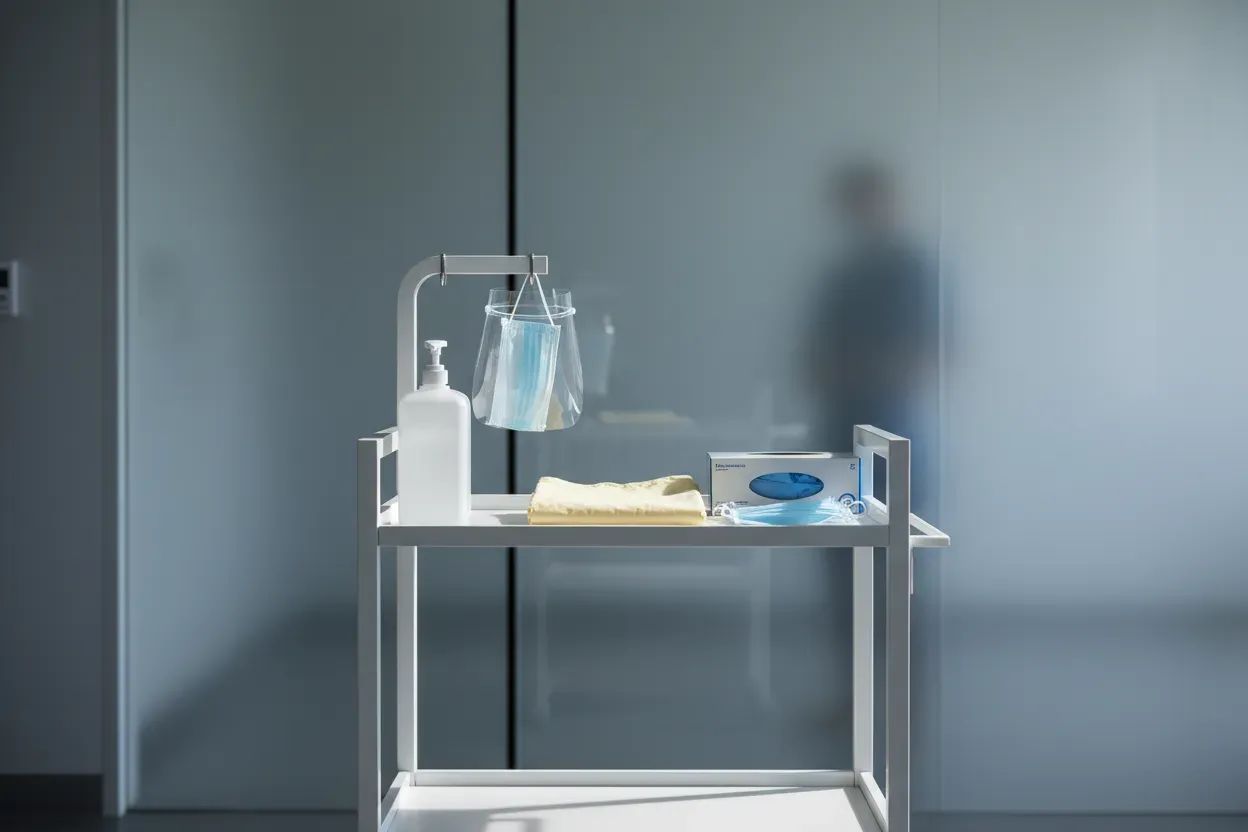
Set out grab-and-go PPE kits near each room so families are never guessing. Pack a mask, gown, gloves, and sanitizer in each bag. Insert a small card with simple pictures that show the order to put on and take off items. Offer two sizes so fit does not become a barrier.
Use a bright label that matches the isolation type for that room. Place a bin for used items to guide families at the end of the visit. Build and stage these kits before visiting hours begin.
Text Simple Steps before Scheduled Visits
Send a short text the day before a visit that explains the unit’s isolation steps in plain words. Include a link to a one minute video with captions and multiple languages. Share the location to pick up PPE and the expected time for a brief check-in. Allow replies so families can ask simple questions before arrival.
Repeat the message for multi day stays with any updates. Keep the tone warm and respectful to set trust early. Turn on this texting workflow for all scheduled visits now.
Signal Compliance with Gentle Doorway Lights
Mount a small light at each doorway that shows green when PPE steps are complete. Use a simple traffic light style signal linked to a sensor or badge tap. Families get quiet feedback without staff needing to correct them in front of others. The light can also remind people to remove PPE on the way out.
Keep the signal gentle and avoid sound so it feels supportive. Review light data to spot times when extra help is needed. Pilot this system on one unit and expand it if results are strong.