


1 nurses passed these notes on
Adopt a Do Not Disturb Vest
Ydette FlorendoMarketing coordinator · A-S Medical SolutionsWhen I'm working with healthcare facilities through A-S Meds, I hear this challenge constantly from nurses and pharmacy staff. Medication errors remain one of the most serious patient safety concerns, and interruptions during med passes are a leading contributor.
One practice that consistently makes a real difference is what many facilities call a "do not interrupt" zone or visual boundary system. I've seen this work effectively across multiple hospitals we supply. The concept is simple but powerful: when a nurse is wearing a specific colored vest, sash, or lanyard during medication administration, it signals to everyone on the unit that they shouldn't be interrupted unless there's a genuine emergency.
At A-S Meds, we actually started carrying those bright medication safety vests because our customers kept requesting them after implementing this protocol. The visual cue works because it removes ambiguity. A colleague might think twice about interrupting for a non-urgent question when they see that clear visual indicator.
The key is getting full unit buy-in. When everyone understands and respects that boundary, the culture shifts. I've heard from charge nurses we work with that medication error rates dropped significantly after implementing this simple visual system.
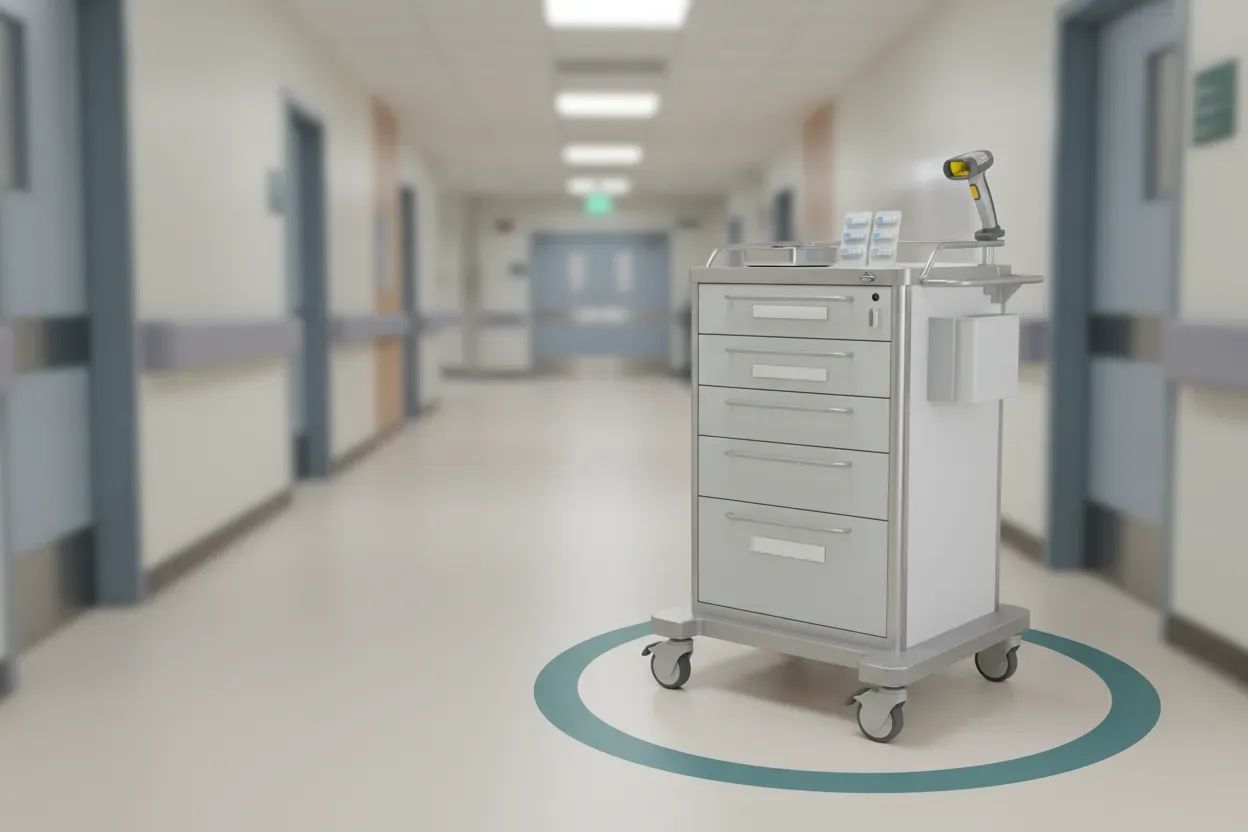
Some facilities also combine the visual cue with a designated quiet preparation area. Having a physical space where nurses can prepare medications without phones ringing or people walking up creates a double layer of protection.
The reality is that healthcare environments will always be busy and somewhat chaotic. We can't eliminate all interruptions. But creating clear, visible boundaries during the most safety-critical tasks gives clinicians the focused time they need to verify the five rights and catch potential errors before they reach patients.
What I've learned from working with so many facilities through A-S Meds is that often the simplest solutions have the biggest impact on patient safety.
Assign a Unit Runner to Triage Requests
Designate a unit runner who handles and filters interruptions during medication passes. This person fields phones, finds supplies, and redirects nonurgent requests. Clear scripts help the runner decide what is urgent and what can wait.
The runner keeps a small cache of common items to cut extra trips. Rotate the role to spread workload and build skill across the team. Create the runner role, define the scripts, and launch a two-week trial now.
Standardize a Point of Care Checklist
Standardize a point-of-care checklist and pair it with a brief verification pause before every dose. The pause signals that all talking and nonurgent tasks must stop. The checklist covers the right patient, drug, dose, route, time, reason, and allergies.
Build the same fields into the electronic record with a hard stop to prevent skipped steps. Support the pause with clear cues, such as a badge phrase or a cart sign, and reinforce it in huddles. Pilot the checklist with one team, gather feedback, and roll it out across shifts, so start your pilot this week.
Schedule Protected Medication Windows with Coverage
Create protected medication windows and back them with team coverage. During these windows, the primary nurse focuses only on safe preparation and delivery. A coverage buddy answers calls, greets visitors, and handles routine needs for the group.
Post the window times on the unit board and in the messaging app to set shared expectations. Track the rate of interruptions and delays to refine the schedule over time. Publish the daily windows and assign coverage at the start of each shift today.
Make Barcodes Plus Independent Verification Routine
Combine bedside barcode scanning with a true independent double-check for high-alert medications. Scanning matches the patient band and the medication label to the order. The second checker reviews the order and the prepared dose without prompts or hints.
This can be done in person or by secure video when staffing is tight. Log near misses and review them with staff to improve steps and training. Make barcode verification plus independent checks the default for high-alert meds starting today.
Cut Alarm Noise and Route Nonurgent Alerts
Reduce alarm noise so only actionable alerts reach the nurse during medication tasks. Set standard limits by patient group and remove duplicate alerts across devices. Route nonurgent messages to a monitoring tech or a shared team phone instead of the bedside nurse.
Review alarm data each week and tune settings that drive false alerts. Share quick tips on alarm use so staff apply silence and escalation safely. Form a small alarm team and start a unit audit and tune-up this week.