


1 nurses passed these notes on
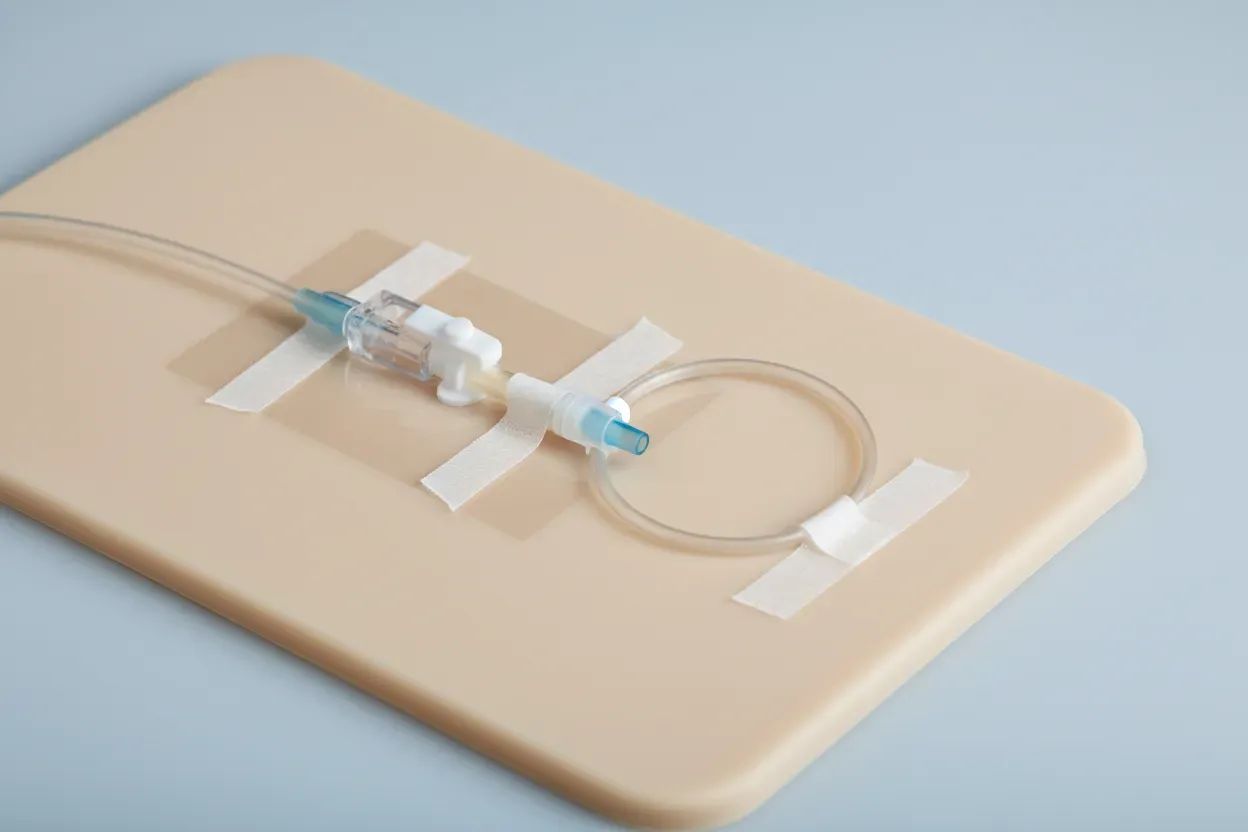
Secure Tubing with Anchored Loop
Angela LeungImplant & Cosmetic Dentist, Fellow ICOI, Diplomate ICOI, AAID Associate Fellow · Angela Leung DDS PCGood Day,
The approach that I find most successful in this area involves securing the tubing rather than just the catheter itself. In a clinic or in, surgery setting, I place a clear bandage over the IV site to ensure that it is visible, create a small loose loop from the extension tubing and secure this to the arm as a strain relief anchor.
Equally important, the assistant ensures that the IV site is visually inspected at each time that vitals signs are taken. I prefer to avoid situations where the patient's arm is hidden by a blanket because it will become difficult to detect any issues developing.
I recently encountered a situation where a sedated patient shifted slightly while receiving treatment. The IV line had been secured using the method described above and we were able to notice any swelling early enough to halt treatment and prevent a more serious complication.
If you decide to use this quote, I'd love to stay connected! Feel free to reach me at, drleung@angelaleungddspc.com and @angelaleungddspc.com
Maintain Strict Aseptic Technique Every Shift
Intravenous therapy stays safer when aseptic steps are never skipped. Clean hands with soap and water or alcohol rub before and after any line contact. Use sterile gloves and keep the sterile field clean and dry during starts and dressing care.
Prep the skin with the right antiseptic and let it dry fully to block germs. Replace any item that becomes wet, torn, or touched by mistake to prevent a break in sterility. Make these steps nonnegotiable on every shift.
Verify Line Compatibility Before Administration
Drug and fluid mixes can form crystals, change color, or inactivate each other, which can harm the vein and the patient. Check a trusted compatibility source for the exact drugs, fluids, and routes planned. Know whether the goal is Y-site, same line at different times, or separate lumen use.
Flush the line with the right solution and volume between drugs that are only sequentially compatible. Ask a pharmacist or use the electronic record tools when the answer is not clear. Confirm compatibility before you hang or push anything.
Teach Patients to Report Early Signs
Patients can help stop IV problems when they know what to watch for. Teach simple signs like burning, swelling, redness, cool or warm skin, damp tape, or beeping from the pump. Explain that even mild discomfort should be shared at once, day or night.
Use plain words and confirm understanding by asking the patient to repeat the key points. Keep the call light within reach and remind the patient that speaking up keeps them safe. Invite patients to speak up at the first sign of trouble.
Choose Optimal Vein and Catheter Size
Good vein and catheter choices lower the chance of phlebitis, infiltration, and pain. Pick the smallest gauge that still meets the flow needs of the therapy. Favor a straight, soft vein away from joints and avoid areas with bruising, swelling, or prior damage.
Use ultrasound or a vein light for hard sticks to limit multiple attempts. Reassess the site during therapy to be sure the vein still fits the plan, and move to a better site if the needs change. Choose the right size and site every time.
Scrub Connectors and Use Antiseptic Caps
Needleless connectors carry germs if the surface is not cleaned the right way. Scrub the hub with firm friction using an approved antiseptic for the full contact time. Let the connector air dry before access so the antiseptic can work well.
Use disinfecting caps between uses to keep the surface clean, and change them when they are removed or soiled. Stop the task and start over if the cap, swab, or connector is touched by anything not sterile. Scrub every connector before every access, without exception.