
On the floor
All posts
 Q&ANurses Share Delegation Moves That Keep Care Safe on Short-Staffed ShiftsShort-staffed shifts force nurses to make split-second choices about who does what, and those decisions directly impact patient safety. This article gathers proven delegation strategies from experienced nurses who have mastered the balance between maintaining quality care and managing limited resources. Learn which tasks can be safely reassigned and which require a nurse's specialized judgment, even when the unit is stretched thin.
Nurse Magazine · May 20, 2026
 Q&AHow Nurses Prioritize and Delegate on Heavy Shifts Without Sacrificing SafetyHeavy shifts test every nurse's ability to manage multiple patients safely while maintaining quality care. This article breaks down practical strategies used by experienced nurses to prioritize tasks and delegate effectively when time is limited. These insights come from seasoned nursing professionals who have mastered the art of making quick, safe decisions under pressure.
Nurse Magazine · May 18, 2026
 Q&ABedside De-escalation Tactics Nurses Use When Emotions Run HighWhen tensions rise in healthcare settings, knowing how to defuse a situation can make the difference between resolution and escalation. This article explores practical bedside de-escalation tactics that nurses rely on when emotions run high, featuring insights from experienced healthcare professionals. Learn the proven strategies that help maintain safety and restore calm during challenging patient interactions.
Nurse Magazine · May 13, 2026
 Q&ADe-escalate Tense Moments in Nursing: Practical Moves That Protect Care TeamsTense situations in healthcare settings can quickly spiral if not handled properly, putting both staff and patients at risk. This article provides actionable strategies for managing high-stress encounters, drawing on insights from experienced nursing professionals. Learn specific techniques that help defuse conflict while maintaining safety and professional boundaries.
Nurse Magazine · May 6, 2026
 Q&APrecepting New Nurses With Effective FeedbackNew nurses need structured support during their transition to practice, and the quality of feedback they receive can make or break their confidence and competence. This article draws on insights from experienced nurse educators and clinical leaders to outline practical approaches for giving meaningful, timely feedback during preceptorship. Readers will learn two core strategies that transform how new nurses absorb and apply guidance in real-world clinical settings.
Nurse Magazine · May 4, 2026
 Q&AHow Hospital Nurses Prevent Medication List Mix-ups at the BedsideMedication errors at the bedside remain a critical patient safety concern in hospitals across the country. This article examines practical strategies that nursing staff use to prevent dangerous mix-ups when reconciling medication lists with patients and their families. The insights shared come directly from experienced hospital nurses who have implemented these techniques on the front lines of patient care.
Nurse Magazine · April 29, 2026
 Q&ANurse-Led Discharge Planning for Social BarriersPatients facing social barriers need targeted discharge planning that addresses their unique challenges. This article examines nurse-led strategies for identifying and managing these obstacles, with practical guidance on creating effective 24-hour care plans. Healthcare professionals share proven approaches for asking the right questions and coordinating resources that support successful patient transitions.
Nurse Magazine · April 29, 2026
 Q&ANursing Support During End-of-Life DecisionsEnd-of-life care requires compassionate support and clear communication between patients, families, and healthcare providers. This article examines how nurses can facilitate meaningful conversations that honor patient preferences during critical decision-making moments. Industry experts share practical strategies for creating unified approaches that respect recorded wishes and provide comfort to all involved.
Nurse Magazine · April 27, 2026
 Q&ACalm Confusion at the Bedside: Practical Delirium Prevention That Works in Inpatient NursingDelirium affects up to 50% of hospitalized older adults, yet most cases can be prevented with the right approach. This article brings together proven strategies from experienced nurses and healthcare professionals who have successfully reduced delirium rates on their units. Learn how creating a visible next step plan helps patients stay oriented and calm during their hospital stay.
Nurse Magazine · April 22, 2026
 Q&ACross-Language Patient Education in NursingEffective communication between nurses and patients who speak different languages remains a critical challenge in healthcare settings. This article presents practical strategies for overcoming language barriers, drawing on insights from healthcare professionals and communication experts. These four evidence-based approaches can help nursing staff deliver clear, compassionate care to patients regardless of their primary language.
Nurse Magazine · April 22, 2026
 Q&APreventing Intravenous Complications in Nursing CareIntravenous complications remain a significant challenge in clinical settings, affecting patient outcomes and increasing healthcare costs. This article examines practical strategies for preventing these issues, with a focus on securing tubing with anchored loops. The techniques discussed are backed by insights from experienced nursing professionals who have successfully implemented these methods in their practice.
Nurse Magazine · April 15, 2026
 Q&ADelirium Prevention in Acute Care NursingDelirium affects up to 50% of hospitalized older adults, yet many cases can be prevented with proper nursing interventions. This article explores evidence-based strategies that acute care nurses can implement to reduce delirium risk in their patients. Healthcare professionals specializing in geriatric and critical care nursing share practical techniques for early recognition and prevention.
Nurse Magazine · April 8, 2026
 Q&ANursing Assessment for Early Infection RecognitionRecognizing early signs of infection can mean the difference between a routine recovery and a serious complication. This article examines critical assessment techniques that help nurses identify infections before they escalate, drawing on guidance from experienced clinical practitioners. From distinguishing normal post-procedure discomfort from concerning pain patterns to identifying subtle neurological indicators, these expert-backed strategies provide practical tools for frontline caregivers.
Nurse Magazine · April 6, 2026
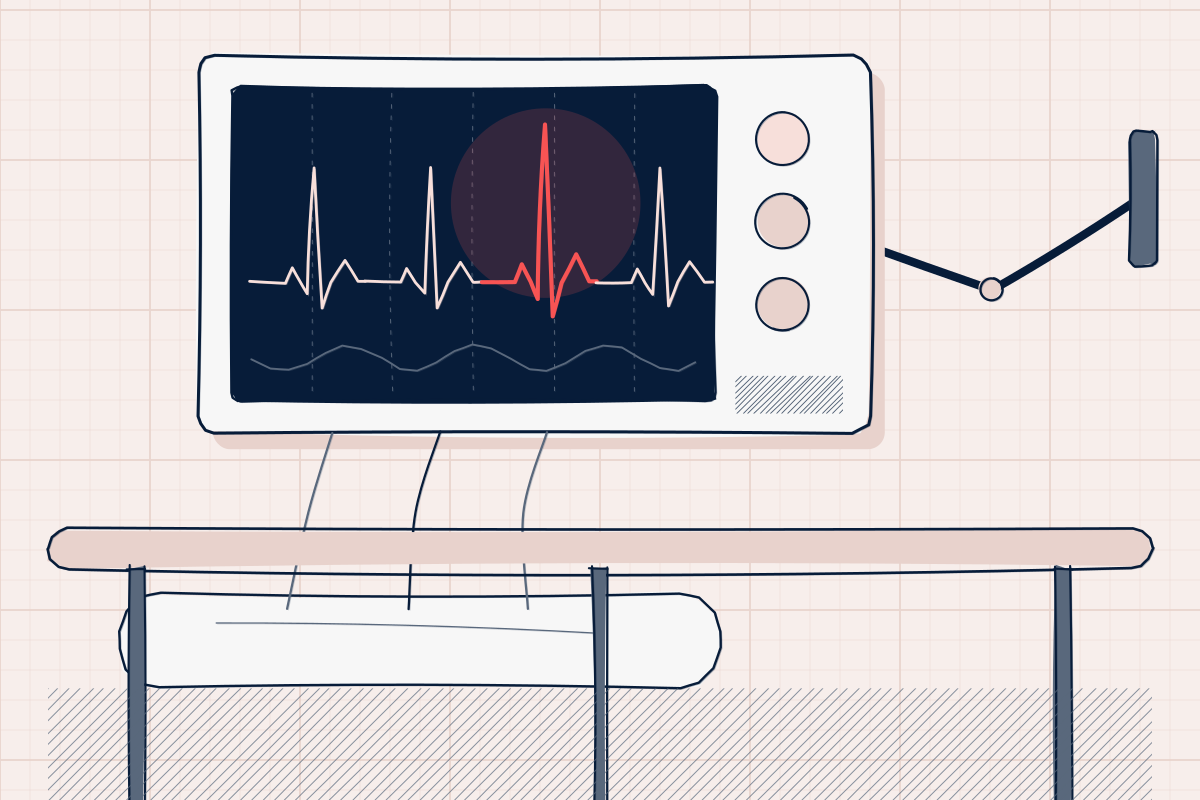 Q&AMake Bedside Handoff Safer and Shorter: Nurses Share One Habit That WorksBedside handoff between nurses can make or break patient safety, yet many healthcare facilities struggle to balance thoroughness with efficiency. Experienced nurses have identified one simple practice that addresses both concerns: confirming shared risks through read back verification. This article explores insights from nursing experts who have successfully implemented this technique to reduce errors while keeping handoffs concise.
Nurse Magazine · April 1, 2026
 Q&ABedside De-escalation for Patients and Families in NursingTense situations with patients and families require specific communication strategies that can prevent escalation and build trust. This article breaks down three practical techniques nurses can use to calm difficult moments at the bedside. Drawing from expert insights in nursing communication, these methods provide clear steps for managing conflict before it intensifies.
Nurse Magazine · April 1, 2026
 Q&ANurse Prioritization on Short-Staffed ShiftsShort-staffed nursing shifts demand quick decisions about what gets done and what gets delayed. This article breaks down three practical strategies to help nurses manage their workload when resources are stretched thin. Healthcare professionals share proven methods for staying focused on patient safety while maintaining realistic expectations during understaffed periods.
Nurse Magazine · March 30, 2026
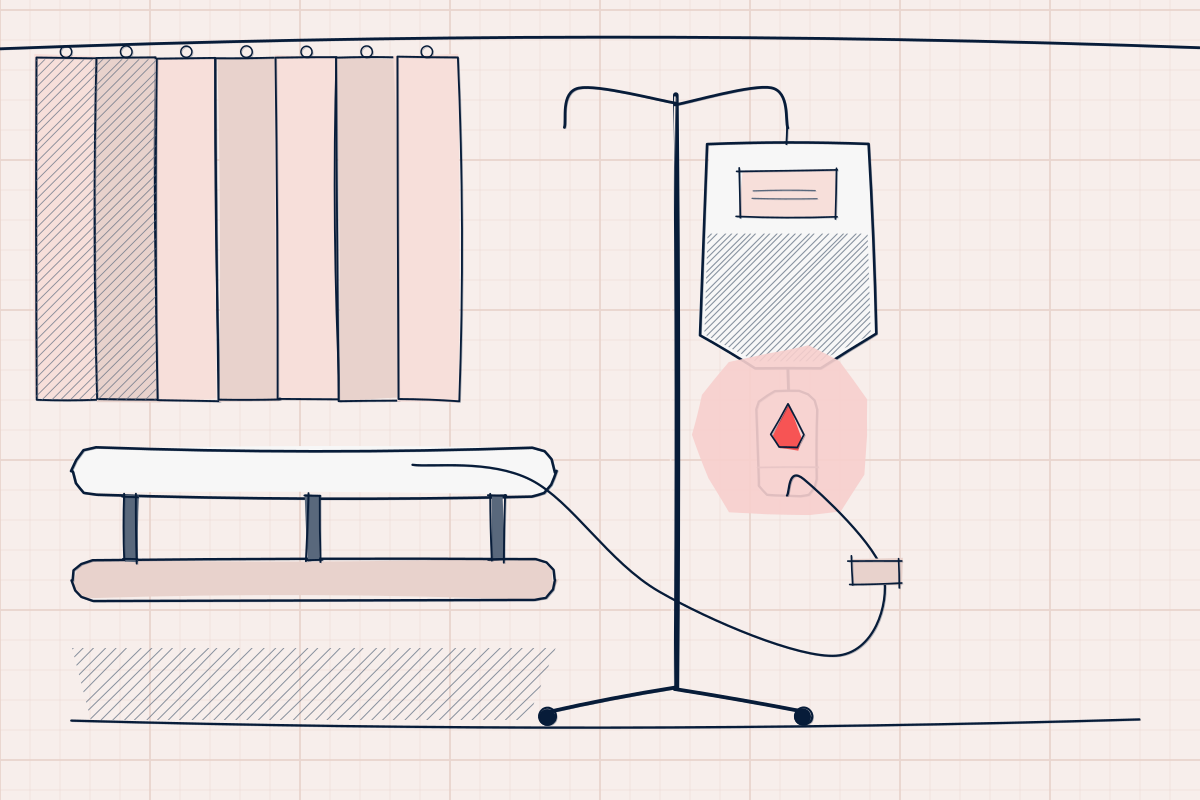 Q&ANursing Shift Handoff That Prevents Missed InformationPatient safety depends on seamless communication during nursing shift changes, yet critical information still falls through the cracks at hospitals everywhere. This article draws on insights from healthcare professionals and communication experts to outline practical strategies that prevent information gaps during handoffs. Two proven methods stand out for their ability to reduce errors and protect patients: verbal read-back confirmation and systematic tracking of unresolved issues.
Nurse Magazine · March 25, 2026
 Q&AEHR SmartPhrase Tactics That Save TimeElectronic health record documentation consumes hours of valuable clinical time every day. This article presents proven SmartPhrase strategies that reduce documentation burden while maintaining quality patient records. These tactics come from healthcare professionals who have refined their EHR workflows through years of practical experience.
Nurse Magazine · February 18, 2026
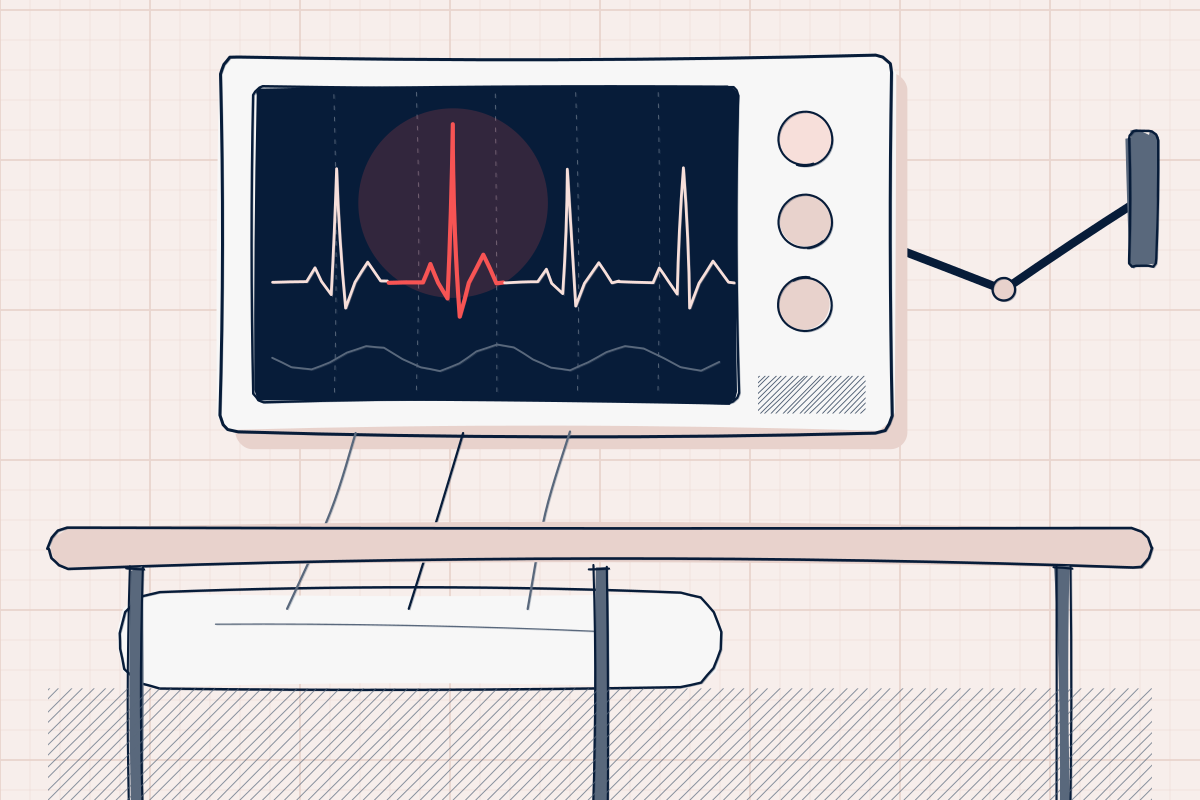 Q&AHeart Month: A Heart Failure Teaching Tactic That SticksHeart failure education often fails to resonate with patients because abstract concepts don't translate into daily life. This article shares a simple yet powerful teaching method that uses everyday items to demonstrate sodium and fluid restrictions in a way patients actually remember. The approach, backed by healthcare professionals who use it in practice, transforms complex medical guidelines into tangible lessons that patients can apply at home.
Nurse Magazine · February 4, 2026
 Q&AQuick Scripts for HPV and Cervical Screening CounselingHPV and cervical cancer screening conversations can be challenging, but the right approach makes all the difference. This article provides practical scripts and strategies, backed by insights from healthcare communication experts, to help make these discussions more effective. Learn how simple visual tools can transform patient understanding and decision-making in screening conversations.
Nurse Magazine · January 21, 2026
 Q&APolypharmacy Discharge: Your Best Med Rec StepManaging multiple medications after hospital discharge creates real risks for patients and their families. Getting medication reconciliation right at this critical transition point can prevent dangerous drug interactions and reduce readmissions. This article shares practical strategies from healthcare professionals who specialize in safe discharge planning and medication management.
Nurse Magazine · January 15, 2026
 Q&A6 Ways Nurses Create Positive Work EnvironmentsHealthcare settings thrive when staff members work together effectively and treat each other with dignity. This article outlines six practical strategies nurses can implement to build better workplace cultures, drawing on proven methods from nursing professionals. Learn how simple changes in daily interactions can transform team dynamics and improve both staff satisfaction and patient care outcomes.
Nurse Magazine · January 9, 2026
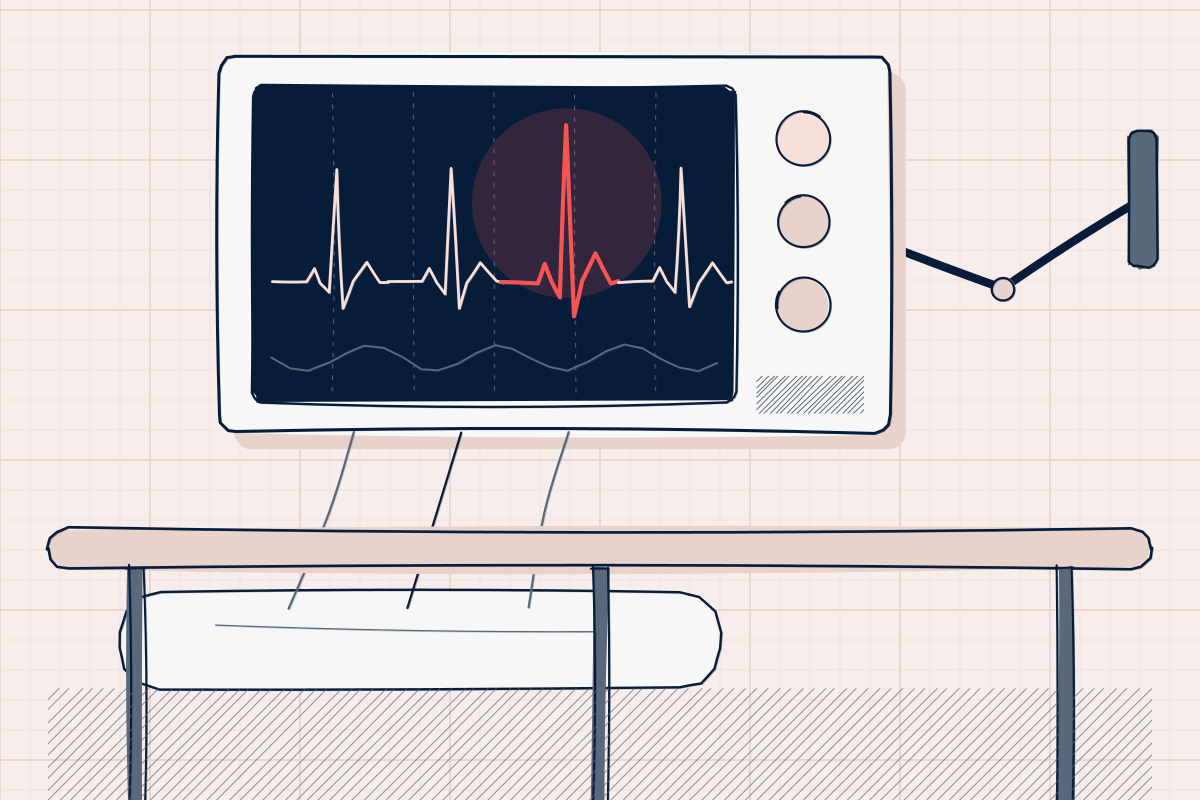 Q&ATrauma-Informed De-escalation in the MomentWhen tensions rise and emotions run high, knowing how to respond effectively can prevent a situation from spiraling out of control. This article draws on insights from experienced professionals who specialize in crisis intervention and trauma-informed care. Learn practical techniques for recognizing emotional distress and providing appropriate support when it matters most.
Nurse Magazine · January 8, 2026
 Q&A7 Strategies for Nurses to Overcome Burnout and Find FulfillmentNursing burnout has reached crisis levels, leaving countless healthcare professionals searching for sustainable solutions. This article outlines seven practical strategies that can help nurses reclaim their energy and rediscover meaning in their work. These approaches draw on expert recommendations from healthcare leaders who understand the unique challenges facing modern nursing professionals.
Nurse Magazine · December 26, 2025