
 01Q&ANurses Share How to Set Real-Time Care Priorities Under Heavy WorkloadsWhen workloads surge, patient priorities can change in seconds. Nurses and other experts in the field share practical insights on spotting warning signs, triaging acute risks, and protecting airway, breathing, and circulation. Their guidance also highlights how to respond when team engagement starts to fade.Nurse Magazine · October 7, 2026
 02Q&ADischarge Teaching for Nurses: What to Prioritize When Time Is TightWhen discharge time is short, every instruction must count. This guide shares expert insights on the safety details nurses should prioritize, from urgent warning signs to home-care steps. Learn how teach-back, caregiver planning, and follow-up support can help patients leave prepared.Nurse Magazine · October 5, 2026
 03Q&ABedside Nursing: De‑escalation Phrases and Moves That Keep Patient and Family Encounters SafeTense bedside encounters can shift quickly, but the right words and actions can help keep everyone safe. This article shares practical de-escalation phrases and techniques for acknowledging frustration, understanding concerns, and building trust. Insights from nursing and communication experts show how calm follow-through and thoughtful questions can change the course of difficult conversations.Nurse Magazine · September 30, 2026
 04Q&ANursing Delegation on Busy Shifts: Set Clear Tasks and Prevent MissesBusy nursing shifts can quickly lead to missed tasks and unclear responsibilities. Clear delegation, read-backs, timelines, and follow-up help keep patient care on track. Insights from nursing experts explain how to assign stable tasks while protecting clinical judgment and accountability.Nurse Magazine · September 28, 2026
 05ArticleFirst Clinical Rotation Checklist: Scrubs, Shoes & Essentials That Nursing Students Need Heather Wall · September 25, 2026
 06ArticleHow Medical Spas Are Changing the Role of Nurses in Aesthetic CareIhor Lavrenenko M.S. · September 25, 2026
 07Q&ANursing Medication Administration: Simple Habits That Stop Errors During InterruptionsMedication errors remain one of the most preventable risks in healthcare, yet interruptions during administration continue to compromise patient safety. This article presents five practical strategies backed by research and refined through real-world experience to help nurses maintain accuracy when distractions occur. Leading medication safety experts share techniques that take seconds to implement but can prevent life-threatening mistakes.Nurse Magazine · September 23, 2026
 08Q&APatient Discharge Teaching in Nursing: Phrases That Make Care Plans Stick After Going HomeSending a patient home with a care plan is one thing, but making sure they actually follow it is another challenge entirely. Effective discharge teaching can reduce readmissions and prevent complications, but only when nurses use clear, actionable phrases that patients can remember and apply. This article draws on expert recommendations to show exactly what to say during discharge teaching to help patients retain critical safety information and follow through with their care at home.Nurse Magazine · September 21, 2026
 09Q&ANurses Share Medication Administration Habits That Stop Errors During InterruptionsInterruptions during medication administration are one of the leading causes of nursing errors, yet they happen constantly in busy healthcare settings. Experienced nurses have developed specific habits that protect patient safety even when distractions are unavoidable. This article shares practical strategies from nursing professionals who have mastered the art of maintaining accuracy under pressure.Nurse Magazine · September 16, 2026
 10Q&ANursing Delegation That Keeps Patients Safe and the Team MovingEffective delegation in nursing can mean the difference between seamless patient care and critical gaps in treatment. This article presents proven strategies for maintaining safety and efficiency when assigning tasks to team members, drawing on insights from experienced healthcare professionals. Learn four specific techniques that ensure accountability and clear communication throughout every shift.Nurse Magazine · September 14, 2026
 11Q&ANurses Share How to Keep Medication Administration Accurate Amid InterruptionsMedication errors remain a critical concern in healthcare settings, with interruptions during administration being a leading contributing factor. This article examines practical strategies nurses can implement to maintain accuracy when their workflow is disrupted. Healthcare professionals with years of floor experience share their proven techniques for ensuring patient safety despite the constant demands of a busy clinical environment.Nurse Magazine · September 9, 2026
 12Q&ANursing Discharge Teaching: Practical Moves That Make Home Care StickSending patients home with confidence requires more than handing them a stack of papers and hoping for the best. This article breaks down proven strategies that help patients retain vital information and follow through with their care plans once they leave the hospital. Drawing on insights from experienced nursing professionals, these practical techniques address the real challenges families face during the transition to home care.Nurse Magazine · September 7, 2026
 13Q&ANursing Medication Safety: How to Speak Up on Questionable Orders and Prevent ErrorsMedication errors remain one of the most preventable causes of patient harm in healthcare settings. This article provides practical guidance on how nurses can confidently question unclear or potentially dangerous medication orders before administering them to patients. Expert insights reveal proven strategies for effective communication with prescribers and systems that protect both patients and nursing professionals.Nurse Magazine · September 2, 2026
 14Q&ABridge Language Gaps in Nursing Care: Practical Ways to Assess and Teach ClearlyLanguage barriers in healthcare settings can lead to misunderstandings that compromise patient safety and care quality. This article brings together practical strategies from nursing professionals who work daily to overcome communication challenges with patients from diverse linguistic backgrounds. Learn proven methods to verify patient understanding and discover culturally responsive approaches that strengthen the care relationship.Nurse Magazine · August 31, 2026
 15ArticleWhy the Small Clinic Down the Road Keeps Beating the Big ChainsCallum Gracie · August 28, 2026
 16Q&ASpeak Up Early for Safer Care: Bedside Nursing Tactics That Move the Team to ActPatient safety depends on nurses who recognize warning signs and communicate them effectively to the care team. This article outlines practical strategies that bedside nurses can use to voice concerns early and prompt immediate action from colleagues and physicians. Drawing on insights from experienced healthcare professionals, these tactics help ensure that critical information reaches the right people before situations become urgent.Nurse Magazine · August 26, 2026
 17ArticleThe Mental Health Load on Nurses Is a Healthcare Trend We Can No Longer IgnoreDr. Christa Smith Ph.D. · August 21, 2026
 18Q&ANurses Share Discharge Teaching That Patients Remember at HomeEffective discharge teaching can mean the difference between a smooth recovery and a hospital readmission. This article features practical strategies from experienced nurses who know what actually sticks with patients once they leave the hospital. Learn which teaching methods help patients retain critical information and apply it correctly at home.Nurse Magazine · August 19, 2026
 19Q&AHospital Bedside De-escalation: Practical Phrases That Calm Tense MomentsTense situations at a patient's bedside can escalate quickly without the right communication approach. This article brings together proven techniques from experienced healthcare professionals who manage high-stress interactions daily. Learn specific phrases and strategies that help defuse conflict and restore calm when emotions run high.Nurse Magazine · August 17, 2026
 20Q&AStronger Shift Handoffs in Hospital Nursing: Simple Moves That Prevent MissesHospital shift handoffs remain a critical vulnerability where communication breakdowns can lead to serious patient safety issues. This article presents practical strategies for improving nurse-to-nurse handoffs, drawing on insights from healthcare experts who have successfully reduced information gaps during transitions. These straightforward approaches can be implemented immediately to strengthen communication and prevent costly mistakes.Nurse Magazine · August 12, 2026
 21Q&ANursing Documentation Habits That Save Time and Improve NotesEffective nursing documentation requires balancing thoroughness with efficiency, a challenge that becomes more pressing as patient loads increase. This article examines practical habits that streamline the documentation process while maintaining high-quality patient records, drawing on insights from experienced nursing professionals. Learning to focus on critical clinical decisions rather than repetitive template text can transform time-consuming charting into a more manageable task.Nurse Magazine · August 3, 2026
 22Q&ANurses Share Handoff Moves That Prevent Missed CarePatient handoffs represent a critical moment when care details can slip through the cracks, leading to missed treatments and potential harm. This article brings together practical strategies from experienced nurses who have refined their handoff techniques to ensure nothing gets overlooked during shift changes. Learn how applying SBAR and covering core essentials can transform handoffs from a vulnerability into a strength for patient safety.Nurse Magazine · July 29, 2026
 23Q&ANurses Share Change-of-Shift Nursing Handoff Moves That Prevent Missed CareChange-of-shift handoffs remain one of the most critical moments for patient safety in healthcare settings. When communication breaks down during these transitions, patients face increased risks of missed medications, delayed interventions, and overlooked symptoms. This article features proven strategies from experienced nursing professionals who have developed practical handoff techniques that keep patients safer and reduce gaps in care.Nurse Magazine · July 22, 2026
 24Q&AFloating in Hospital Nursing: Fast Orientation and Safe Boundaries That WorkHospital nurses who float to unfamiliar units face unique challenges that require quick adaptation and clear safety protocols. This article draws on insights from experienced nursing professionals to provide practical strategies for managing float assignments effectively. Learn how requesting information about top hazards immediately upon arrival can help establish safe boundaries and protect both nurses and patients.Nurse Magazine · July 20, 2026
 25Q&AHospital Nursing Alarm Fatigue: Catch Real Changes While Cutting NoiseHospital alarms go off constantly, yet many signal nothing urgent—a dangerous problem that leads to delayed responses when patients actually need help. This article examines how healthcare teams can reduce unnecessary alerts while ensuring critical changes in patient condition still trigger immediate action. Experts in clinical alarm management share practical strategies for cutting through the noise without missing real emergencies.Nurse Magazine · July 15, 2026
 26Q&ANursing Documentation Under Pressure: Keep Charts Accurate Without Leaving the BedsideAccurate nursing documentation is essential for patient safety and legal protection, yet time constraints often force nurses to choose between charting and direct patient care. This article provides practical strategies from experienced nursing professionals on how to maintain thorough records while staying present at the bedside. Learn which documentation elements require immediate attention and how to efficiently capture critical details without compromising patient interaction.Nurse Magazine · July 13, 2026
 27Q&AHow Nurses Prioritize Competing Demands Without Sacrificing SafetyNurses face constant pressure to manage multiple urgent tasks while keeping patients safe. This article explores practical strategies that experienced nursing professionals use to sort through conflicting priorities and maintain high standards of care. Expert insights reveal how to identify true emergencies, respond to acute changes, and make split-second decisions that protect patient outcomes.Nurse Magazine · July 6, 2026
 28Q&AGetting Families to Follow Isolation Steps on Hospital Units Without ConflictFamily members can struggle to follow isolation protocols in hospital settings, creating risks for patients and staff while putting nurses in difficult positions. This article explores practical strategies that healthcare teams can use to gain family cooperation without creating conflict or resistance. Drawing from insights provided by infection control specialists and experienced bedside nurses, these approaches focus on clear communication and collaborative problem-solving.Nurse Magazine · June 29, 2026
 29ArticleHow Nurses Get Featured in the Media (and Build Authority)Brett Farmiloe · June 29, 2026
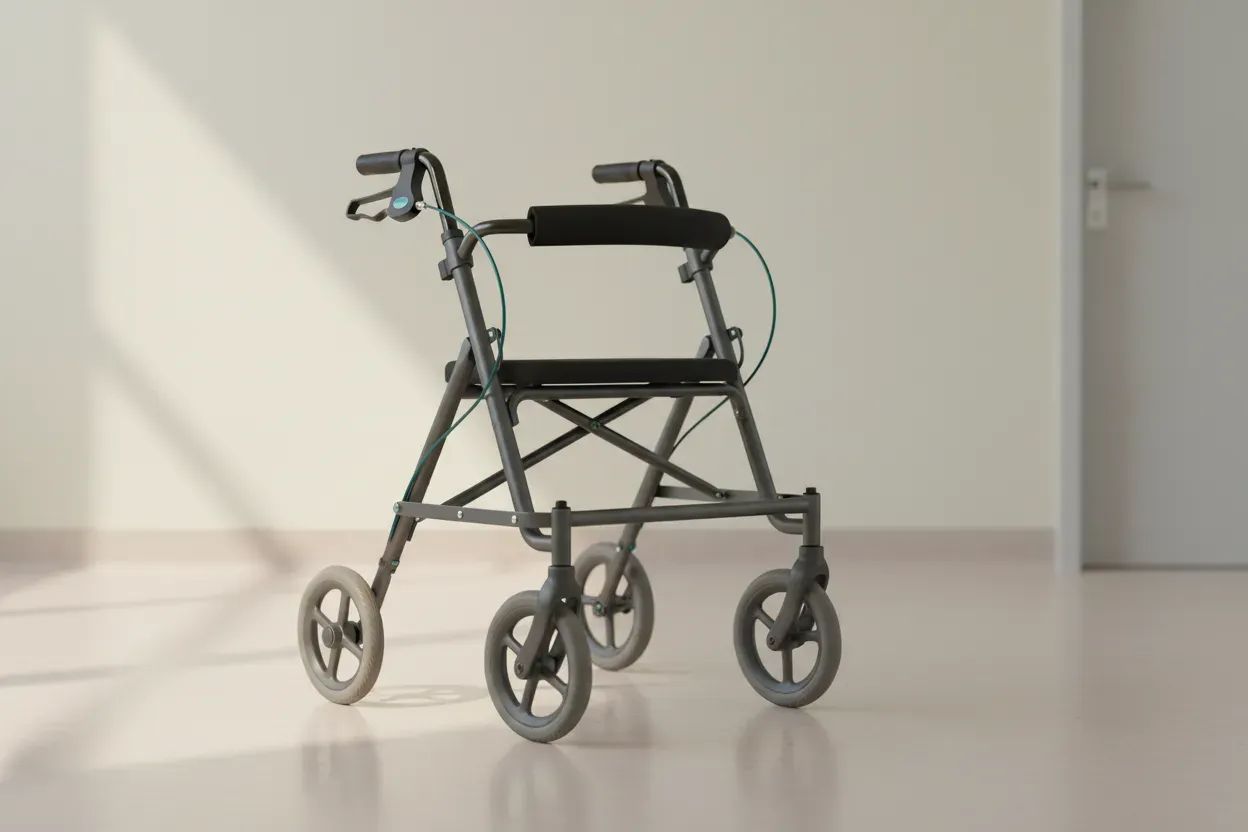 30Q&APreventing Falls on Inpatient Units Without Taking Away IndependenceFalls remain a persistent challenge in hospitals, where maintaining patient safety must be balanced with preserving dignity and autonomy. This article examines practical strategies that focus on understanding individual patient needs and customizing equipment to reduce fall risk without imposing unnecessary restrictions. Drawing from expert insights in patient care, these approaches demonstrate how healthcare teams can create safer environments while respecting patient independence.Nurse Magazine · June 24, 2026
 31ArticleHealthcare Cleaning Trends: How Clinics Are Raising Hygiene StandardsJoshan Anwar · June 23, 2026
 32Q&ABedside Nursing Moves That Stop Pressure Injuries Before They StartPressure injuries remain one of the most preventable complications in hospital care, yet they continue to affect thousands of patients each year. This article brings together evidence-based strategies and insights from experienced bedside nurses who have mastered the techniques that make a real difference in patient outcomes. Learn the specific moves and protocols that can stop pressure injuries before they develop, with a focus on turning schedules, skin inspection routines, and heel offloading methods.Nurse Magazine · June 22, 2026
 33Q&ANurses Share How They Balance Mobility and Fall Safety at the BedsideBalancing patient mobility with fall prevention remains one of the most challenging aspects of hospital care. This article features practical strategies from experienced nurses who manage this critical balance every day at the bedside. Learn how healthcare professionals are advancing mobility while maintaining patient safety through carefully guarded steps.Nurse Magazine · June 15, 2026
 34ArticleThe Ethics of Weight Loss Treatment: Balancing Patient Autonomy and Medical ResponsibilityDr. Sergey Terushkin MD, FACS, FASMBS — Bariatric Surgeon · June 10, 2026
 35Q&ANurses Share How to Delegate Safely on Busy Inpatient ShiftsDelegation can mean the difference between a manageable shift and complete chaos, yet many nurses struggle to know what tasks are safe to hand off. This article breaks down practical strategies for assigning work without compromising patient safety or care quality. Experienced inpatient nurses share their methods for deciding what stays on your plate and what can be delegated to support staff.Nurse Magazine · June 10, 2026
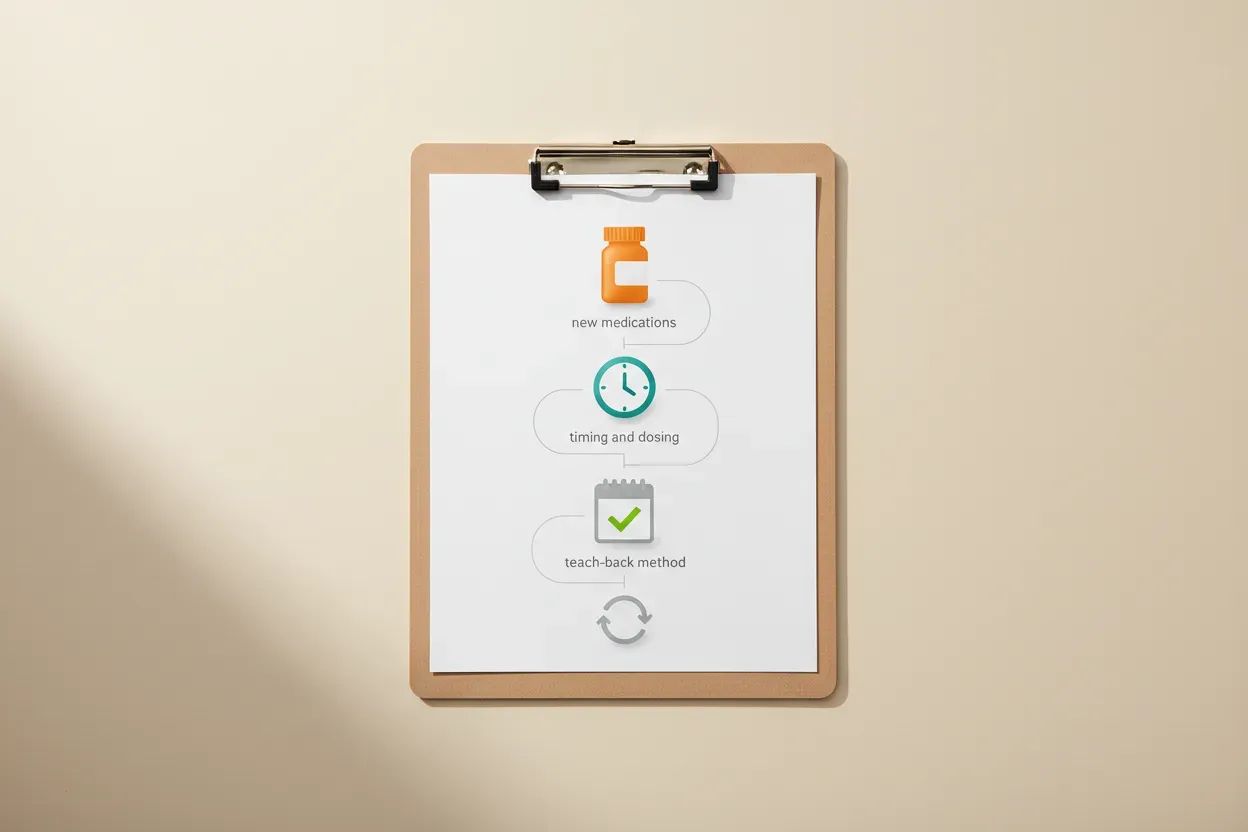 36Q&ABedside Nurses Share Discharge Teaching Phrases That Confirm Real UnderstandingEffective discharge teaching can mean the difference between a successful recovery and a hospital readmission. This article gathers proven phrases from experienced bedside nurses that go beyond simply asking patients if they understand their care instructions. These expert-tested communication strategies help confirm that patients truly comprehend what they need to do when they leave the hospital.Nurse Magazine · June 8, 2026
 37ArticleNursing Student Mental Health and Academic Persistence: Why Burnout Starts Before GraduationErin Zadoorian · June 8, 2026
 38Q&AInpatient Nurses Share Trust-Preserving Moves That Prevent FallsFalls remain one of the most common preventable injuries in hospital settings, yet reducing them without restricting patient mobility presents a persistent challenge. This article brings together practical strategies from experienced inpatient nurses who have successfully balanced fall prevention with patient autonomy. Their insights reveal how small adjustments in communication and assessment can help patients move independently while staying safe.Nurse Magazine · June 3, 2026
 39ArticleTeaching Clinical Reasoning to Nursing Students: How Expert Nurses Develop Pattern Recognition and Diagnostic ThinkingHimanshu Soni · June 2, 2026
 40Q&ASafer Medication Administration in Bedside Nursing: How to Handle Interruptions Without ErrorsMedication errors remain a critical concern in hospital settings, with interruptions during drug administration identified as a leading contributing factor. This article examines practical strategies nurses can implement to maintain accuracy when their workflow is disrupted. Drawing from research and insights shared by experienced healthcare professionals, these evidence-based techniques help protect patient safety during one of nursing's most high-risk tasks.Nurse Magazine · June 1, 2026
 41Q&AStop Falls Before They Start: Bedside Nursing Habits That Prevent Unassisted StandsPatient falls remain one of the most preventable safety risks in hospital settings, yet they continue to occur with alarming frequency. This article draws on insights from experienced bedside nurses who have mastered practical techniques to stop falls before they happen. Learn evidence-based habits that can be implemented immediately to protect patients from attempting dangerous unassisted stands.Nurse Magazine · May 27, 2026
 42Q&ANurses Share How to Protect Safe Medication Administration Amid Constant InterruptionsMedication errors remain a critical concern in healthcare settings, with interruptions during drug administration identified as a leading contributing factor. This article examines practical strategies nurses can implement to reduce disruptions and maintain focus during medication delivery. Healthcare professionals from hospitals across the country share their experiences with proven interventions that have decreased error rates on their units.Nurse Magazine · May 25, 2026
 43Q&ANurses Share Delegation Moves That Keep Care Safe on Short-Staffed ShiftsShort-staffed shifts force nurses to make split-second choices about who does what, and those decisions directly impact patient safety. This article gathers proven delegation strategies from experienced nurses who have mastered the balance between maintaining quality care and managing limited resources. Learn which tasks can be safely reassigned and which require a nurse's specialized judgment, even when the unit is stretched thin.Nurse Magazine · May 20, 2026
 44Q&AHow Nurses Prioritize and Delegate on Heavy Shifts Without Sacrificing SafetyHeavy shifts test every nurse's ability to manage multiple patients safely while maintaining quality care. This article breaks down practical strategies used by experienced nurses to prioritize tasks and delegate effectively when time is limited. These insights come from seasoned nursing professionals who have mastered the art of making quick, safe decisions under pressure.Nurse Magazine · May 18, 2026
 45Q&ABedside De-escalation Tactics Nurses Use When Emotions Run HighWhen tensions rise in healthcare settings, knowing how to defuse a situation can make the difference between resolution and escalation. This article explores practical bedside de-escalation tactics that nurses rely on when emotions run high, featuring insights from experienced healthcare professionals. Learn the proven strategies that help maintain safety and restore calm during challenging patient interactions.Nurse Magazine · May 13, 202646Q&ABedside De-escalation Tactics Nurses Use When Emotions Run HighWhen tensions rise in healthcare settings, knowing how to defuse a situation can make the difference between resolution and escalation. This article explores practical bedside de-escalation tactics that nurses rely on when emotions run high, featuring insights from experienced healthcare professionals. Learn the proven strategies that help maintain safety and restore calm during challenging patient interactions.Nurse Magazine · May 13, 2026
 47Q&ADe-escalate Tense Moments in Nursing: Practical Moves That Protect Care TeamsTense situations in healthcare settings can quickly spiral if not handled properly, putting both staff and patients at risk. This article provides actionable strategies for managing high-stress encounters, drawing on insights from experienced nursing professionals. Learn specific techniques that help defuse conflict while maintaining safety and professional boundaries.Nurse Magazine · May 6, 2026
 48Q&APrecepting New Nurses With Effective FeedbackNew nurses need structured support during their transition to practice, and the quality of feedback they receive can make or break their confidence and competence. This article draws on insights from experienced nurse educators and clinical leaders to outline practical approaches for giving meaningful, timely feedback during preceptorship. Readers will learn two core strategies that transform how new nurses absorb and apply guidance in real-world clinical settings.Nurse Magazine · May 4, 2026
 49Q&AHow Hospital Nurses Prevent Medication List Mix-ups at the BedsideMedication errors at the bedside remain a critical patient safety concern in hospitals across the country. This article examines practical strategies that nursing staff use to prevent dangerous mix-ups when reconciling medication lists with patients and their families. The insights shared come directly from experienced hospital nurses who have implemented these techniques on the front lines of patient care.Nurse Magazine · April 29, 2026
 50Q&ANurse-Led Discharge Planning for Social BarriersPatients facing social barriers need targeted discharge planning that addresses their unique challenges. This article examines nurse-led strategies for identifying and managing these obstacles, with practical guidance on creating effective 24-hour care plans. Healthcare professionals share proven approaches for asking the right questions and coordinating resources that support successful patient transitions.Nurse Magazine · April 29, 2026